Elevated Metro Stations in India: Complete Guide to India’s Elevated Metro Network
Elevated metro stations are the most common type of metro stations in India. Built on raised viaducts above roads and city streets, these stations provide fast, reliable, and efficient public transportation while minimizing traffic disruption at ground level.
From Delhi and Bengaluru to Hyderabad, Mumbai, Kochi, Chennai, Ahmedabad, Nagpur, and several other cities, elevated metro stations form the backbone of India’s expanding metro rail network. They are designed to offer easy passenger access, modern facilities, and seamless connectivity to residential areas, business districts, shopping centers, airports, and railway stations.
This guide explains what elevated metro stations are, how they work, their advantages, passenger facilities, and the major cities where they operate.
Quick Information
| Information | Details |
| Station Type | Elevated Metro Station |
| Location | Above Ground on Viaducts |
| Transport System | Metro Rail |
| Access | Escalators, Lifts & Staircases |
| Security | Mandatory Before Entry |
| Accessibility | Available at Most Stations |
| Parking | Available at Selected Stations |
What Is an Elevated Metro Station?
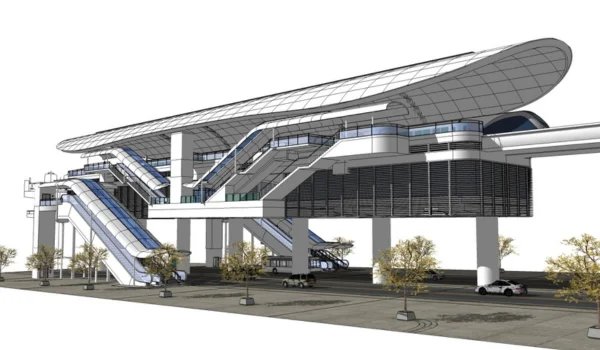
An Elevated Metro Station is a metro station constructed above ground level on reinforced concrete or steel viaducts. Passengers reach the station using staircases, escalators, or elevators before boarding metro trains.
Elevated stations are widely used because they require less complex construction than underground systems while allowing metro trains to operate independently of road traffic.
Why Are Elevated Metro Stations Built?
Metro authorities prefer elevated stations in many urban areas because they:
- Reduce traffic congestion.
- Require less construction time than underground stations.
- Cost less to build in many cases.
- Avoid interference with road traffic.
- Improve city-wide connectivity.
- Can be expanded more easily in developing areas.
They are particularly suitable for wide roads, highways, and newly developed urban corridors.
Cities with Elevated Metro Stations
Most metro systems in India include elevated stations.
| City | Elevated Metro Availability |
| Delhi NCR | Extensive elevated network |
| Mumbai | Multiple elevated corridors |
| Bengaluru | Major parts of the network |
| Hyderabad | Predominantly elevated |
| Chennai | Elevated and underground sections |
| Kochi | Mostly elevated |
| Ahmedabad | Predominantly elevated |
| Nagpur | Mostly elevated |
| Jaipur | Elevated and underground sections |
| Lucknow | Elevated and underground sections |
| Pune | Elevated and underground sections |
| Kanpur | Elevated and underground sections |
| Agra | Elevated and underground sections |
Popular Elevated Metro Stations
Some well-known elevated metro stations include:
- Noida Electronic City (Delhi Metro)
- HUDA City Centre / Millennium City Centre Gurugram (Delhi Metro)
- MG Road (Bengaluru)
- Indiranagar (Bengaluru)
- Ameerpet (Hyderabad)
- Aluva (Kochi)
- Airport South (Nagpur)
- Motera Stadium (Ahmedabad)
- Botanical Garden (Delhi Metro)
- Sikanderpur (Delhi Metro)
Features of Elevated Metro Stations
Modern elevated metro stations are equipped with:
- Spacious concourses
- Escalators
- Elevators
- Ticket counters
- Smart card recharge facilities
- QR ticket support
- CCTV surveillance
- Passenger information displays
- Public announcement systems
- Platform shelters
- Accessibility features
Many stations also include retail kiosks, ATMs, and parking facilities.
Passenger Facilities
| Facility | Available at Many Stations |
| Ticket Counter | Yes |
| Smart Card Recharge | Yes |
| QR Ticket Support | Yes |
| Escalators | Yes |
| Elevators | Yes |
| Drinking Water | Available at Many Stations |
| Washrooms | Available at Many Stations |
| CCTV Surveillance | Yes |
| Security Screening | Yes |
| Passenger Information Displays | Yes |
| Wheelchair Accessibility | Yes |
| Parking | Selected Stations |
Advantages of Elevated Metro Stations
Elevated metro stations provide several benefits:
- Faster construction compared to underground systems.
- Lower construction costs in many locations.
- Better visibility and easier access.
- Reduced road congestion.
- Efficient public transport connectivity.
- Easier maintenance of tracks and infrastructure.
- Scenic views during travel in many cities.
Challenges of Elevated Metro Stations
Despite their advantages, elevated stations also have some challenges:
- Require sufficient road width or available land.
- Greater visual impact on the urban landscape.
- Exposure to weather conditions.
- Noise management requirements in nearby residential areas.
- Land acquisition may be necessary for pillars and stations.
Safety Features
Passenger safety remains a top priority at elevated metro stations.
Common safety measures include:
- CCTV monitoring
- Security personnel
- Baggage screening
- Metal detector checks
- Fire safety equipment
- Emergency evacuation routes
- Public announcement systems
- Clearly marked safety signage
Passengers should always follow instructions from metro staff during emergencies.
Travel Tips
To make your metro journey more comfortable:
- Arrive a few minutes before your train.
- Keep your ticket or smart card ready.
- Use lifts if carrying heavy luggage.
- Follow directional signs.
- Stand behind the platform safety line.
- Allow passengers to exit before boarding.
- Keep personal belongings secure.
- Follow all station announcements.
Frequently Asked Questions
What is an elevated metro station?
An elevated metro station is a metro station built above ground level on a raised viaduct, allowing trains to operate independently of road traffic.
Why are most metro stations in India elevated?
Elevated stations are generally faster and less expensive to construct than underground stations and are suitable for many urban corridors.
Which city has the most elevated metro stations?
Several cities, including Hyderabad, Kochi, and parts of the Delhi Metro network, have extensive elevated metro systems. The exact number varies as new lines are opened.
Are elevated metro stations wheelchair accessible?
Most modern elevated metro stations provide lifts, ramps, tactile pathways, and other accessibility features.
Is parking available at elevated metro stations?
Many elevated stations offer parking facilities, although availability depends on the location and station design.
Conclusion
Elevated metro stations form the backbone of India’s urban rapid transit systems, providing millions of commuters with a fast, affordable, and reliable way to travel every day. Their cost-effective construction, efficient operation, and widespread presence have made them the preferred choice for metro expansion in many cities.
As metro networks continue to grow across India, elevated stations will remain central to improving urban mobility, reducing road congestion, and supporting sustainable public transportation. Whether you’re a daily commuter or a first-time traveler, understanding how elevated metro stations work can help you enjoy a smoother and more convenient journey.
You may also like
Leave a Reply