Why Does Milk Curdle While Making Tea or Coffee? Causes and Solutions
Milk curdling while making tea or coffee can be frustrating, especially when you expect a smooth, creamy drink. Instead, you may notice small white lumps, separated liquid or a grainy texture. This can happen for several reasons, including milk acidity, high heat, old milk, acidic ingredients and sudden temperature changes.
The good news is that many cases of curdling can be prevented with a few simple changes in the way tea or coffee is prepared.
What Does It Mean When Milk Curdles?
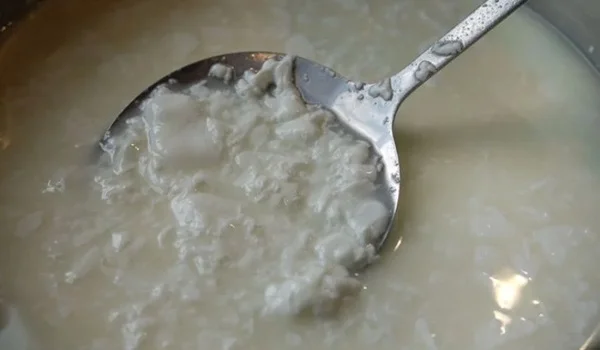
Milk contains proteins, mainly casein, that normally remain suspended in liquid. When the milk becomes sufficiently acidic or is exposed to certain conditions, these proteins can come together and form visible curds.
The remaining liquid separates from the solid protein, creating the familiar curdled appearance.
Curdling is different from ordinary milk foam or cream separation. It usually produces visible particles or lumps and can significantly change the texture of the drink.
- The Milk Is Already Becoming Sour
One of the most common reasons milk curdles in tea or coffee is that it is old or beginning to sour.
As milk ages, its acidity increases. When acidic milk is heated or combined with other acidic ingredients, the proteins can separate more easily.
Before using milk, check:
- Smell
- Appearance
- Texture
- Expiry or use-by information
- Whether it has been stored correctly
If the milk already smells sour or has clearly spoiled, do not try to save it by mixing it into tea or coffee.
- Tea or Coffee Is Too Acidic
Tea and coffee naturally contain various compounds that can affect milk proteins. Some types of coffee are more acidic than others, and strongly brewed tea can also contribute to curdling under certain conditions.
The effect can become more noticeable when the milk is already slightly acidic or close to spoiling.
Coffee made from certain beans, brewing methods or roast profiles may have higher perceived acidity. Adding acidic ingredients such as lemon makes curdling even more likely.
- High Heat Can Encourage Curdling
Very high temperatures can destabilise milk proteins, particularly when combined with acidity.
Boiling milk aggressively for a long time can increase the chance of separation. This is especially noticeable when making milk-based tea or coffee in a saucepan.
Instead of maintaining extremely high heat, cook the drink at a controlled temperature and avoid unnecessary prolonged boiling.
- Sudden Temperature Changes
A sudden change in temperature can also contribute to milk separation.
For example, adding very cold milk directly to an extremely hot acidic coffee may produce a less stable mixture.
This does not mean that cold milk will always curdle. Fresh milk can normally be added to hot beverages without a problem. However, when several factors are already present—such as acidity, high heat and older milk—the sudden temperature difference can make separation more noticeable.
- Acidic Ingredients Can Cause Immediate Curdling
Some beverages intentionally or unintentionally contain acidic ingredients.
Lemon juice is a particularly strong example. Combining lemon juice with milk can cause rapid protein coagulation.
Other acidic ingredients can also produce a similar effect.
If you are preparing a drink that contains an acidic ingredient, do not expect ordinary milk to remain completely smooth.
- Coffee Quality and Brewing Method Can Matter
Not every coffee behaves exactly the same way with milk.
Coffee acidity can vary according to:
- Coffee bean variety
- Growing region
- Roast level
- Brewing method
- Brewing time
- Water temperature
If milk consistently separates with one particular coffee but not another, the coffee’s acidity and brewing characteristics may be contributing to the problem.
How to Prevent Milk From Curdling in Tea
Use Fresh Milk
Fresh milk is less likely to curdle than milk that is already approaching spoilage.
Always store milk properly and follow the storage instructions on the package.
Avoid Excessive Boiling
Prepare tea at a controlled heat instead of repeatedly boiling the milk for a long period.
Add Tea Gradually
If you are making tea in a saucepan, controlling the order and temperature of ingredients can help produce a smoother drink.
Check the Milk Before Cooking
If milk smells sour or looks unusual before you start, replace it rather than trying to use it.
How to Prevent Milk From Curdling in Coffee
Add Fresh Milk
Start with properly stored, fresh milk.
Control the Temperature
Extremely hot coffee combined with milk that is cold or already borderline fresh can increase the likelihood of separation.
Allowing freshly brewed coffee to cool slightly before adding milk can help in situations where curdling is a recurring problem.
Try a Less Acidic Coffee
If a particular coffee consistently causes milk to separate, experiment with another coffee with lower perceived acidity.
Avoid Acidic Additions
Ingredients such as lemon juice can cause milk to curdle. If you want citrus flavour in a drink, milk-based and citrus-based beverages may need to be prepared differently.
Can You Fix Curdled Milk Tea or Coffee?
If the drink has only slightly separated because of temperature or acidity, stirring may make the appearance somewhat smoother, but it will not reverse protein coagulation completely.
If the milk has curdled because it is spoiled, the drink should be discarded.
Do not rely on adding sugar, extra water or spices to hide a sour smell or unpleasant taste. These ingredients do not make spoiled milk safe.
Is Curdled Milk Always Unsafe?
No. Curdling itself does not always mean that milk is spoiled.
Milk proteins can coagulate because of acidity and heat even when the milk was originally fresh. For example, acidic foods and beverages can intentionally cause milk proteins to form curds.
However, if milk has curdled unexpectedly and also has a sour or rotten smell, unusual colour or other signs of spoilage, it should not be consumed.
What If Milk Curdles Only Sometimes?
If the problem occurs occasionally, consider what changed that time.
Check:
- Was the milk close to its expiry date?
- Was the coffee particularly strong or acidic?
- Was the tea boiled for too long?
- Was the milk heated excessively?
- Was cold milk added to a very hot beverage?
- Were any acidic ingredients added?
Identifying the combination of factors can help determine the cause.
Common Mistakes to Avoid
To reduce the chances of curdling:
- Do not use milk that smells sour.
- Avoid excessive boiling.
- Do not combine milk with strongly acidic ingredients unless the recipe is designed for it.
- Store milk at the appropriate temperature.
- Avoid keeping opened milk for longer than recommended.
- If a particular coffee is consistently acidic, try another variety or preparation method.
- Do not use sugar or spices to disguise spoiled milk.
Final Thoughts
Milk can curdle while making tea or coffee because milk proteins react to acidity and heat. Old or slightly sour milk is particularly susceptible, while highly acidic coffee, strong tea, excessive heat and sudden temperature changes can increase the problem.
The easiest prevention methods are to use fresh milk, store it properly, avoid prolonged high-temperature boiling and control the acidity and temperature of the beverage. If milk smells sour or shows other clear signs of spoilage before preparation, it is best to discard it rather than trying to fix the resulting drink.
With fresh ingredients and better temperature control, you can usually enjoy smooth, creamy tea and coffee without unwanted curdling.
You may also like



Leave a Reply