How to Keep Bananas Fresh for Longer Without Refrigerating Them
Bananas are convenient, nutritious and easy to store, but they can ripen surprisingly quickly, especially in warm weather. Within a few days, the peel may turn yellow with brown spots, and eventually the fruit can become soft and overripe.
If you do not want to refrigerate bananas, there are several simple ways to slow down ripening and keep them usable for longer. The key is to control temperature, airflow and exposure to ripening gases.
Why Do Bananas Ripen Quickly?
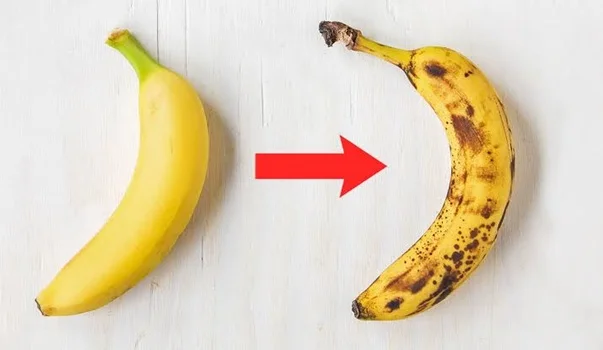
Bananas naturally produce ethylene, a plant hormone that promotes ripening. As bananas ripen, they can produce more ethylene, which accelerates the process.
Warm temperatures can also speed up ripening. This is why bananas may become overripe faster during hot weather.
Keeping bananas away from other ethylene-producing fruits and storing them in a suitable location can help slow the process.
- Keep Bananas Away From Direct Sunlight
One of the simplest ways to extend their freshness is to keep bananas in a cool, shaded place.
Avoid placing them:
- Near a sunny window
- Next to a hot stove
- Above a refrigerator or other warm appliance
- In a location exposed to direct afternoon heat
A well-ventilated kitchen counter away from heat and sunlight is generally more suitable.
- Separate Bananas From Other Fruits
Some fruits produce significant amounts of ethylene as they ripen. Keeping bananas close to such fruits can encourage faster ripening.
If you want bananas to last longer, keep them separate from fruits such as ripe apples, avocados, pears and other ripe produce that may release ethylene.
This does not stop bananas from ripening, but it can help reduce unnecessary exposure to additional ripening gases.
- Wrap the Banana Stems
A commonly used household technique is to cover the stems or crown of the banana bunch with plastic wrap.
The stems are an important source of ethylene release. Wrapping them can help reduce the movement of ethylene around the fruit and may slow ripening to some extent.
For individual bananas, you can wrap the top stem after separating them.
Do not tightly wrap the entire banana, as this can trap moisture and affect the peel.
- Hang Bananas Instead of Leaving Them in a Pile
Use a banana hanger or another suitable hanging arrangement to keep bananas suspended.
Hanging can help prevent:
- Pressure marks
- Bruising
- Contact with damp surfaces
- Uneven ripening caused by bananas pressing against one another
Gentle handling is particularly important once bananas become yellow and softer.
- Choose Bananas at Different Ripeness Levels
If you regularly buy several bananas at once, consider purchasing a mixture of green and yellow bananas rather than a bunch that is already fully yellow.
This allows you to eat them gradually instead of having the entire bunch become ripe at the same time.
Green bananas naturally need more time to ripen.
- Keep the Bananas Dry
Excess moisture around the peel can encourage deterioration, particularly when bananas are already ripe.
If bananas become wet, gently dry the exterior before storing them.
Avoid storing them in a sealed plastic bag where moisture can become trapped around the fruit.
- Give the Bananas Enough Airflow
Bananas should not be packed tightly inside cupboards, bags or containers.
Good airflow helps reduce moisture accumulation and allows heat to escape.
A hanging basket, fruit stand or open countertop area can work better than an enclosed plastic bag.
- Handle Them Carefully
Bruising can cause individual areas of the banana to soften and darken more quickly.
Avoid dropping the bunch or placing heavy objects on top of it. If one banana is badly bruised or starts deteriorating, separate it from the others.
This can help prevent the damaged fruit from affecting the rest of your stored produce.
- Do Not Wash Bananas Before Storage
There is generally no need to wash bananas immediately after bringing them home.
If the peel needs cleaning, wipe or wash the banana when appropriate and dry it thoroughly. Keeping the fruit dry during storage can help reduce moisture-related deterioration.
Can You Keep Bananas Fresh for Weeks Without Refrigeration?
It depends on the banana’s starting ripeness and the surrounding temperature.
Fully ripe bananas generally cannot remain fresh for several weeks at room temperature. In warm conditions, they may become overripe within a few days.
However, buying greener bananas, keeping them away from heat and other ripe fruits, separating them and wrapping the stems can help extend their useful life.
If you need bananas to last for a very long period, freezing is more suitable—but that changes their texture and is better for smoothies, baking and cooked recipes.
What About Putting Bananas in a Plastic Bag?
A completely sealed plastic bag is usually not the best option for storing bananas at room temperature.
It can trap moisture and create a humid environment around the fruit. If you use any covering, ensure that it does not unnecessarily trap condensation.
For ordinary countertop storage, good ventilation is generally preferable.
How to Slow Down Ripening in Hot Weather
Hot weather presents a particular challenge because bananas ripen faster at warmer temperatures.
During summer:
- Keep bananas in the coolest practical part of the kitchen.
- Keep them away from sunlight and cooking appliances.
- Separate ripe bananas from greener ones.
- Keep the stems covered if you find that technique useful.
- Avoid sealed plastic bags.
- Check the bunch daily for bruising or overripe fruit.
Do not place bananas in an extremely hot or humid area simply because it is shaded.
How to Tell If a Banana Has Gone Bad
Brown spots on the peel do not automatically mean that a banana is spoiled. A ripe banana can naturally develop significant brown or dark markings while the flesh remains usable.
However, discard a banana if you notice:
- Mould
- A leaking or decomposed peel
- A strong unpleasant smell
- Very watery or slimy flesh
- Extensive decay
If only the peel has become brown while the inside looks and smells normal, the banana may still be suitable for eating or baking.
Best Way to Store Bananas Without Refrigeration
For most households, a simple approach is enough:
Buy bananas at the desired stage of ripeness → keep them in a cool, shaded and well-ventilated area → hang them if possible → separate individual bananas as they ripen → keep the stems covered → keep them away from ripe fruits and heat.
These steps will not stop ripening completely, because ripening is a natural process, but they can help you slow it down and reduce premature spoilage.
Final Thoughts
Keeping bananas fresh without refrigeration is mainly about slowing their natural ripening process. Store them away from heat and sunlight, provide good airflow, avoid unnecessary moisture, separate ripe fruit from greener bananas and consider wrapping the stems.
The exact shelf life will depend heavily on the banana variety, its ripeness when purchased and the temperature of your home. During hot weather, bananas will naturally ripen faster, so buying smaller quantities more frequently may be the most practical solution.
You may also like


Leave a Reply