Why Does Idli Become Hard Instead of Soft? Common Mistakes
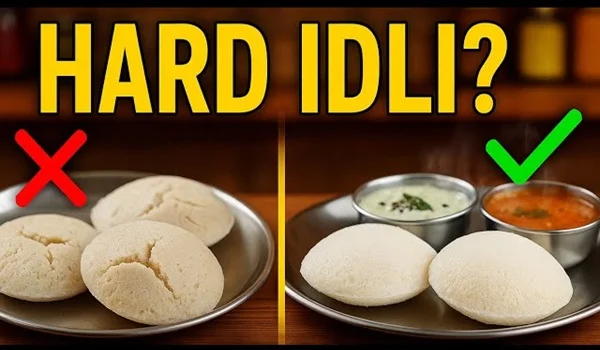
Soft, fluffy idlis are a favourite breakfast food in many Indian homes. They are made mainly from rice and urad dal, and when the batter is properly prepared, fermented and steamed, the idlis should have a light, soft and spongy texture. However, sometimes idlis come out hard, dense, rubbery or flat.
Hard idlis are usually the result of a problem with the batter consistency, fermentation, ingredients, grinding or steaming process. Fortunately, most of these problems can be corrected with a few changes.
Why Does Idli Become Hard?
- The Batter Did Not Ferment Properly
Proper fermentation is one of the most important factors behind soft idlis.
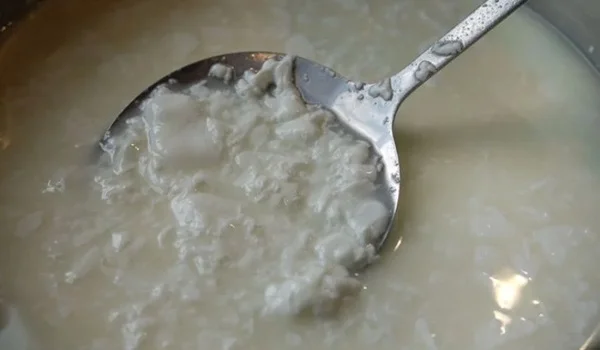
During fermentation, microorganisms naturally present in the batter produce gases that help create a lighter structure. If the batter does not ferment sufficiently, the idlis may remain dense and hard.
Poor fermentation can happen because:
- The weather is too cold
- The batter was kept for too short a time
- The batter was too thick
- The urad dal quality was poor
- The fermentation environment was unsuitable
In warm weather, batter may ferment relatively quickly, while colder conditions can require considerably more time.
- Too Much Rice and Too Little Urad Dal
The proportion of rice to urad dal affects the texture significantly.
Urad dal contributes to the structure and softness of idli batter. If there is considerably more rice and insufficient urad dal, the resulting idlis can become dense.
Different families and recipes use different ratios, so it is better to follow a tested recipe rather than changing the proportions randomly.
- Urad Dal Was Not Ground Properly
Urad dal needs to be ground into a smooth, light and fluffy batter.
If it is ground poorly, the batter may not hold enough air and the idlis can become heavy.
When grinding, use only enough water to achieve the required consistency. Adding excessive water during grinding can make it difficult to achieve the right batter texture later.
- The Rice Was Ground Too Smoothly or Incorrectly
Rice and urad dal play different roles in idli batter.
The rice portion generally provides body, while urad dal contributes softness and fermentation capacity. If the ingredients are processed incorrectly, the final texture may suffer.
The exact grinding method varies between traditional recipes, wet grinders and mixers, so consistency is more important than trying to follow one universal method.
- The Batter Was Too Thick
Very thick batter may not ferment or steam properly.
Idli batter should generally be thick enough to coat a spoon but fluid enough to spread naturally into the moulds.
If it is extremely stiff, fermentation can be affected and the finished idlis may become dense.
However, avoid making the batter excessively thin because watery batter can also produce poor-quality idlis.
- The Batter Was Too Thin
Adding too much water can also create problems.
Very thin batter may not have enough body to form a good idli structure. The finished idlis can become flat, sticky or less fluffy.
Water should therefore be added gradually, especially after grinding.
- The Batter Was Not Fermented in a Warm Place
Temperature plays an important role in fermentation.
During cold weather, batter may take longer to ferment. Keeping it in a relatively warm part of the kitchen can help.
Some people use an oven with only its light on or another mildly warm location. The important point is to avoid excessive heat, which can damage the natural fermentation process.
- Old or Poor-Quality Urad Dal
The quality and age of urad dal can affect batter performance.
Very old dal may sometimes produce batter that does not ferment or aerate as effectively as expected.
For consistently soft idlis, use good-quality ingredients and store them properly.
- Over-Steaming the Idlis
Even well-fermented batter can produce hard idlis if it is steamed for too long.
Excessive steaming can cause the idlis to lose moisture and become firm or rubbery.
Follow the cooking time recommended by your recipe and avoid repeatedly opening the steamer, as this can affect cooking.
- The Steamer Was Not Ready
Idlis should be placed into a properly heated steaming environment.
If the steaming process begins in an unsuitable temperature condition, cooking may be uneven.
Prepare the steamer according to your recipe and ensure there is sufficient water before placing the filled idli moulds inside.
- The Batter Was Not Mixed Properly After Fermentation
Fermented batter can separate while resting. The heavier rice particles may settle while the lighter fermented portion remains higher.
Before making idlis, gently mix the batter so the ingredients are distributed evenly.
Avoid aggressive stirring that unnecessarily knocks out all the air developed during fermentation.
- Too Much Salt or Incorrect Timing
Salt is normally added according to the recipe, but different fermentation methods use different approaches regarding when it is added.
If you are following a particular traditional recipe, use its recommended method rather than changing the process without reason.
The more important issue is maintaining a consistent batter and allowing it to ferment adequately.
How to Make Idli Soft and Fluffy
Soak the Ingredients Properly
Rice and urad dal should generally be soaked separately according to the recipe. Adequate soaking helps them grind properly.
Grind Urad Dal Until Light
The urad dal batter should be smooth, light and aerated rather than coarse and heavy.
Add Water Gradually
Do not pour large quantities of water into the batter at once. Adjust the consistency gradually.
Allow Proper Fermentation
Give the batter sufficient time to ferment. Look for visible signs such as an increase in volume and a slightly aerated appearance.
Don’t Overmix
After fermentation, mix the batter gently and evenly.
Steam for the Right Amount of Time
Avoid excessive steaming. Once cooked, allow the idlis to rest briefly before removing them from the moulds.
What to Do With Hard Idlis
If your idlis have already turned out hard, you can still use them rather than wasting them.
Cut them into pieces and prepare:
- Idli upma
- Masala idli
- Chilli idli
- Idli fry
- Seasoned idli pieces
You can also lightly steam them again with a little moisture, although this may not completely restore the original fluffy texture.
Quick Checklist for Soft Idlis
Before making your next batch, check these points:
Ingredients: Use good-quality rice and urad dal.
Soaking: Soak the ingredients adequately.
Grinding: Grind urad dal until light and fluffy.
Consistency: Keep the batter neither excessively thick nor watery.
Fermentation: Allow enough time for the batter to rise and become aerated.
Mixing: Stir gently after fermentation.
Steaming: Use a properly heated steamer and avoid overcooking.
Serving: Remove the idlis carefully and serve while fresh.
Final Thoughts
Hard idlis are usually caused by poor fermentation, incorrect ingredient proportions, unsuitable batter consistency, inadequate grinding or over-steaming. Fermentation is particularly important because properly fermented batter gives idlis their characteristic light and spongy texture.
For consistently soft idlis, focus on good-quality urad dal, proper soaking and grinding, controlled water addition and adequate fermentation. Once the batter is ready, gentle mixing and correct steaming can make a noticeable difference.
If your idlis are repeatedly turning hard, change one factor at a time rather than changing the entire recipe. This makes it easier to identify whether the main problem is fermentation, batter consistency, ingredient quality or steaming.
You may also like

Leave a Reply