How to Fix Oversalted Curry Without Making It Watery
Oversalting is one of the most common problems when preparing Indian curry. A little too much salt can make an otherwise delicious dish difficult to enjoy. Adding plain water may reduce the saltiness temporarily, but it can also make the curry thin, dilute the spices and change its original texture.
Fortunately, there are several better ways to correct an oversalted curry without making it watery. The best method depends on whether you are cooking a thick gravy, vegetable curry, dal-based curry or creamy dish.
Why Does Curry Become Too Salty?
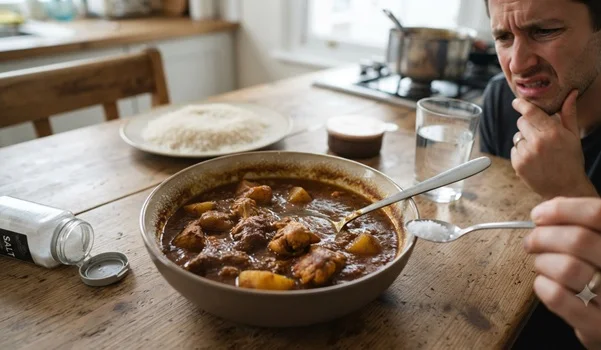
Before fixing the problem, it helps to understand why it happened. Common reasons include:
- Adding too much salt at once
- Accidentally adding salt twice
- Using salty stock, packaged sauces or other ingredients
- Reducing the curry too much after seasoning
- Adding ingredients that were already salted
- Misjudging the quantity of salt for a larger or smaller batch
Remember that curry can taste more salty as it reduces because water evaporates while the salt remains behind.
- Increase the Amount of Unsalted Curry
One of the most effective solutions is to increase the total quantity of food without adding more salt.
For example, if you have a vegetable curry that is too salty, you can add more unsalted cooked vegetables. Allow them to simmer with the gravy so that the flavours blend.
For a chicken or paneer curry, adding more unsalted chicken or paneer can help distribute the existing salt across a larger quantity of food.
This method is particularly useful because it does not significantly thin the curry.
- Add More Unsalted Gravy Base
If the curry has a thick onion-tomato or other gravy base, prepare a small amount of the same base without salt and mix it into the curry.
Depending on the recipe, this might include:
- Cooked onion
- Tomato
- Ginger and garlic
- Spices
- Unsalted stock or other suitable ingredients
Cook the additional base separately when possible, then combine it with the salty curry.
This helps maintain the original texture and flavour better than simply adding water.
- Add Potatoes or Other Unsalted Ingredients
Potatoes can be useful in certain curries because they increase the amount of food and absorb some of the seasoned gravy.
Add cooked or partially cooked potatoes to suitable vegetable or meat curries and allow them to simmer.
However, the idea that a potato can magically remove salt from a curry is overstated. The main benefit is that additional unsalted food increases the overall quantity and distributes the salt.
Other suitable unsalted vegetables can work in the same way.
- Use Coconut Milk for Suitable Curries
For curries where coconut flavour is appropriate, adding unsalted coconut milk can soften the perception of excessive salt while increasing the volume and richness of the gravy.
This works particularly well with South Indian-style curries and certain vegetable, seafood or chicken preparations.
Add it gradually and simmer gently rather than adding a large amount at once.
- Add Unsalted Cream or Yogurt
For creamy curries, unsalted dairy ingredients can help balance the flavour.
Depending on the recipe, you may use:
- Fresh cream
- Unsalted yogurt
- Curd
- Unsalted milk
These ingredients increase the quantity and can make the saltiness less pronounced.
If using yogurt, add it carefully and keep the heat relatively low to reduce the chance of curdling.
- Add a Small Amount of Acid
Acidic ingredients can help balance the perception of saltiness, although they do not actually remove salt.
Depending on the curry, a small amount of:
- Lemon juice
- Tamarind
- Tomato
- Amchur
may help.
Use this technique carefully. Adding too much acid can make the curry sour and create a second flavour problem.
- Add a Little Sweetness When Appropriate
A very small amount of sweetness can balance excessive saltiness in some gravies.
For example, a tiny amount of sugar or another suitable sweet ingredient can work in tomato-based or mildly sweet curries.
The goal is balance, not sweetness. Add only a small quantity, taste and adjust gradually.
This method is not suitable for every curry, particularly dishes where a sweet flavour would be out of place.
- Add More Unsalted Dal
If the dish is a dal-based curry, adding more cooked unsalted dal is one of the easiest solutions.
Prepare additional dal without salt and combine it with the oversalted portion. Simmer together until the consistency is right.
This is much better than adding large amounts of water because the additional dal contributes both volume and body.
- Use a Thickening Ingredient Carefully
If you need to increase the quantity slightly while keeping the curry thick, a suitable thickening ingredient can sometimes help.
For example, a small quantity of:
- Ground cashew paste
- Coconut paste
- Onion paste
- Cooked and mashed vegetables
may work depending on the recipe.
These ingredients change the flavour and texture, so choose one that naturally belongs in the dish.
What Not to Do When Curry Is Oversalted
Don’t Add a Lot of Water
Water can dilute the curry and make it watery. It can also weaken the spices and aromatics.
If the curry is already thin, adding more water can make the problem worse.
Don’t Add More Spices Without a Plan
Adding extra chilli powder, garam masala or other spices may make the curry stronger without actually solving the salt problem.
Don’t Add Large Amounts of Sugar
Sugar can mask saltiness temporarily, but too much can make the curry unpleasantly sweet.
Don’t Keep Reducing the Curry
If the curry is already salty, prolonged reduction can make it taste even saltier because more water evaporates.
How to Fix Different Types of Curry
Vegetable Curry
Add more unsalted cooked vegetables or a small amount of unsalted gravy base.
Chicken or Mutton Curry
Increase the quantity with unsalted cooked meat or add an appropriate unsalted gravy base.
Paneer Curry
Add extra unsalted paneer along with a little unsalted gravy or cream, depending on the recipe.
Dal
Add more cooked unsalted dal and adjust the consistency afterward.
Coconut-Based Curry
Unsalted coconut milk or coconut paste can increase volume while keeping the dish rich.
Creamy Curry
Unsalted cream or yogurt may help balance the flavour while maintaining a thick consistency.
The Best Way to Prevent Oversalting
Prevention is easier than correction. Instead of adding all the salt at the beginning, add it gradually during cooking.
Taste the curry after the main ingredients have cooked and again before serving. Remember that ingredients such as stock, spice mixes, sauces and packaged products may already contain salt.
Also keep in mind that curry can become saltier after reduction, so avoid adding the final amount of salt until you know how much the gravy will reduce.
Final Thoughts
The best way to fix an oversalted curry without making it watery is to increase the quantity of unsalted ingredients rather than simply adding water. More vegetables, meat, paneer, dal or unsalted gravy base can distribute the salt while preserving the dish’s texture.
For suitable recipes, coconut milk, cream, yogurt, a small amount of acid or a touch of sweetness can help balance the flavour. The key is to make changes gradually, taste after each adjustment and avoid adding large quantities of any single ingredient.
With these techniques, an overly salty curry can often be brought back into balance without turning it into a thin, flavourless gravy.
You may also like

Leave a Reply