Metro Station vs Railway Station: What’s the Difference?
Many people use the terms Metro Station and Railway Station interchangeably, but they serve different purposes. While both are transport hubs where passengers board and exit trains, they differ significantly in terms of train type, travel distance, ticketing system, speed, infrastructure, and the areas they serve.
Understanding the difference between a metro station and a railway station can help travelers choose the right mode of transport for their journey.
Quick Comparison
| Feature | Metro Station | Railway Station |
| Transport Type | Urban Rapid Transit | Indian Railways |
| Travel Area | Within Cities | Across Cities, States & Countries (Limited International Routes) |
| Train Type | Metro Train | Passenger, Express, Superfast, Mail, Local & Freight Trains |
| Average Distance Between Stations | Short | Longer |
| Ticket System | Token, Smart Card, QR Ticket | Reserved & Unreserved Tickets |
| Platform Length | Generally Shorter | Usually Longer |
| Speed | Designed for Frequent Urban Travel | Designed for Short & Long-Distance Travel |
| Operator | Metro Rail Corporation | Indian Railways |
What Is a Metro Station?
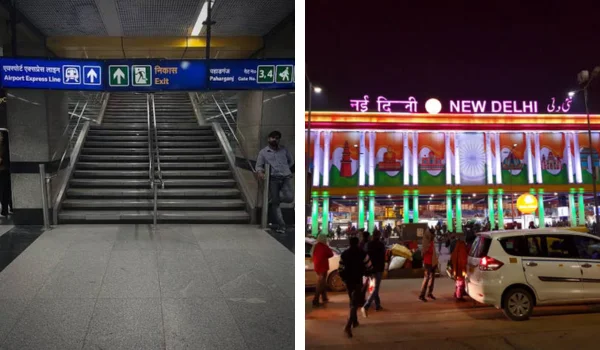
A Metro Station is a station built for an urban rapid transit system. Metro trains primarily operate within a city or metropolitan region, providing fast and frequent transportation for daily commuters.
Metro stations are commonly located near:
- Residential areas
- Business districts
- Shopping malls
- Educational institutions
- Airports
- Bus terminals
- Tourist attractions
Most metro systems use automated ticket gates and modern passenger facilities.
What Is a Railway Station?
A Railway Station is part of the Indian Railways network and serves passenger and freight trains traveling between cities, states, and regions across the country.
Railway stations connect:
- Cities
- Towns
- Villages
- Industrial areas
- Ports
- Tourist destinations
Many major railway stations also function as important transport hubs with connections to metro systems, buses, and airports.
Key Differences Between Metro Stations and Railway Stations
Purpose
Metro stations are designed for urban transportation within cities.
Railway stations are designed for regional, interstate, and long-distance travel.
Coverage
Metro networks operate within metropolitan areas.
Railway stations connect destinations across India through the national railway network.
Train Frequency
Metro trains usually arrive every few minutes during operating hours.
Railway train schedules vary depending on the route and type of service.
Ticketing System
Metro systems generally use:
- Smart Cards
- Tokens
- QR Tickets
- Mobile Ticketing Apps
- National Common Mobility Card (NCMC) where supported
Railway stations use:
- Reserved Tickets
- Unreserved Tickets
- Platform Tickets
- Digital Railway Tickets
Security
Metro stations typically require mandatory security screening before entering the paid area.
Railway stations also have security arrangements, but screening procedures and access controls vary depending on the station and security requirements.
Platforms
Metro platforms are usually standardized for metro trains.
Railway platforms are generally longer and accommodate different types of passenger and freight trains.
Passenger Facilities
Metro Stations
Typical facilities include:
- Smart card recharge
- Ticket vending machines
- Escalators
- Elevators
- Automatic fare gates
- CCTV surveillance
- Passenger information displays
Railway Stations
Common facilities include:
- Reservation counters
- Waiting rooms
- Cloak rooms
- Parcel offices
- Food courts
- Retiring rooms (at selected stations)
- Multiple platform access
- Inquiry counters
Facilities vary depending on the station category.
Advantages of Metro Stations
- Fast urban travel
- Frequent train services
- Reduced traffic congestion
- Cashless ticketing
- Modern infrastructure
- Environment-friendly transportation
Advantages of Railway Stations
- Long-distance connectivity
- Nationwide rail network
- Wide variety of train services
- Affordable travel options
- Freight transportation
- Connectivity to rural and urban areas
Which One Should You Choose?
Choose a Metro Station if you are:
- Traveling within a city
- Commuting daily
- Visiting nearby attractions
- Looking for quick urban transportation
Choose a Railway Station if you are:
- Traveling to another city or state
- Taking an overnight journey
- Carrying large amounts of luggage for long-distance travel
- Using Indian Railways for intercity transportation
Similarities Between Metro Stations and Railway Stations
Both types of stations:
- Serve passengers
- Have platforms for boarding and alighting
- Sell or facilitate tickets
- Provide passenger information
- Maintain security arrangements
- Offer accessibility features at many locations
- Connect with other modes of transport
Frequently Asked Questions
Is a metro station the same as a railway station?
No. Metro stations serve urban rapid transit systems within cities, while railway stations are part of the Indian Railways network and serve intercity and long-distance trains.
Which is faster for city travel?
Metro trains are generally the faster and more convenient option for traveling within cities because they operate on dedicated corridors and run frequently.
Can I use a railway ticket on the metro?
No. Metro systems and Indian Railways have separate ticketing systems, although some cities support integrated mobility solutions for specific services.
Are metro stations cleaner than railway stations?
Both metro stations and railway stations are maintained by their respective authorities. The level of cleanliness depends on the operator, station size, passenger volume, and maintenance practices.
Can a railway station and a metro station be connected?
Yes. Many major transport hubs, such as New Delhi, Chennai Central, Howrah, and Bengaluru, provide convenient interchange between railway and metro services.
Conclusion
Metro stations and railway stations are both essential parts of India’s transportation system, but they are designed for different types of travel. Metro stations focus on fast, frequent, and efficient urban commuting, while railway stations connect cities, states, and regions through the extensive Indian Railways network.
Understanding the differences between the two can help you choose the most suitable mode of transport, save travel time, and plan your journey more effectively. Whether you’re commuting within a city or traveling across the country, knowing when to use a metro station or a railway station ensures a smoother travel experience.
You may also like
Leave a Reply