Underground Metro Stations in India: Complete Guide to India’s Underground Metro Network
Underground metro stations are an important part of India’s urban rapid transit system, especially in densely populated city centers where building elevated tracks is not practical. These stations are constructed below ground and are connected through tunnels, escalators, elevators, and pedestrian passages, allowing metro trains to operate efficiently without affecting road traffic above.
From the historic Kolkata Metro to the extensive underground sections of the Delhi Metro and the growing networks in Mumbai, Chennai, Bengaluru, and other cities, underground metro stations play a key role in modern urban transportation.
This guide explains what underground metro stations are, how they work, their advantages, passenger facilities, and the cities in India that have underground metro networks.
Quick Information
| Information | Details |
| Station Type | Underground Metro Station |
| Location | Below Ground Level |
| Transport System | Metro Rail |
| Access | Escalators, Lifts & Staircases |
| Security | Mandatory Before Entry |
| Accessibility | Available at Most Stations |
| Ventilation | Modern Air Circulation Systems |
What Is an Underground Metro Station?
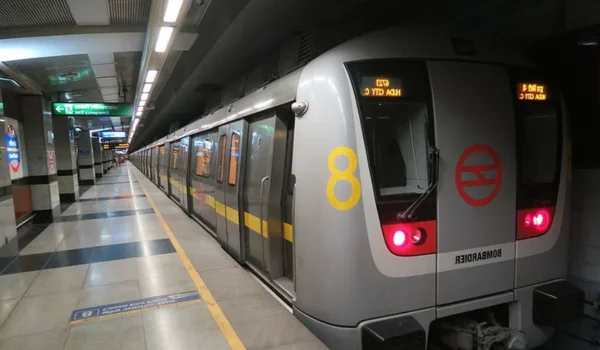
An Underground Metro Station is a metro station built beneath the surface of the ground. Unlike elevated stations, these stations are connected through underground tunnels and are accessed using escalators, elevators, or stairways.
They are commonly constructed in city centers where space is limited, traffic is heavy, or preserving existing buildings and infrastructure is important.
Why Are Underground Metro Stations Built?
Metro authorities build underground stations for several reasons:
- To reduce land acquisition.
- To avoid disturbing densely populated areas.
- To preserve heritage zones.
- To reduce traffic disruption.
- To improve connectivity in city centers.
- To cross rivers, highways, or other obstacles where elevated construction is difficult.
Although underground construction is generally more expensive, it often provides the most practical solution in congested urban environments.
List of Cities with Underground Metro Stations
Several Indian metro systems include underground sections.
| City | Underground Metro Availability |
| Kolkata | Extensive underground network |
| Delhi | Multiple underground corridors |
| Mumbai | Underground sections (Metro Line 3 and future expansions) |
| Chennai | Several underground stations |
| Bengaluru | Underground stretches in central city areas |
| Hyderabad | Limited underground sections planned for future expansion |
| Pune | Selected underground sections |
| Ahmedabad | Limited underground corridor |
| Agra | Underground stations in selected sections |
Note: Metro projects continue to expand. The number of underground stations may increase as new corridors become operational.
Popular Underground Metro Stations
Some well-known underground metro stations in India include:
- Rajiv Chowk (Delhi)
- Kashmere Gate (Delhi)
- Central Secretariat (Delhi)
- Chandni Chowk (Delhi)
- Esplanade (Kolkata)
- Park Street (Kolkata)
- Howrah Metro Station (Kolkata)
- Chennai Central Metro
- Government Estate Metro (Chennai)
- Churchgate area stations on Mumbai Metro Line 3 (as operational)
Features of Underground Metro Stations
Modern underground metro stations typically include:
- Air-conditioned concourses (in many systems)
- Escalators
- Elevators
- Emergency exits
- Fire safety systems
- Ventilation systems
- CCTV surveillance
- Passenger information displays
- Platform safety features
- Public announcement systems
Many stations also provide retail outlets, ATMs, and customer service counters.
Passenger Facilities
| Facility | Available at Many Stations |
| Ticket Counter | Yes |
| Smart Card Recharge | Yes |
| QR Ticket Support | Yes |
| Escalators | Yes |
| Elevators | Yes |
| Drinking Water | Available at Many Stations |
| Washrooms | Available at Many Stations |
| CCTV Surveillance | Yes |
| Security Screening | Yes |
| Passenger Information Displays | Yes |
| Wheelchair Accessibility | Yes |
Advantages of Underground Metro Stations
Underground metro stations offer several benefits:
- Save valuable surface space.
- Reduce traffic congestion.
- Preserve historical and heritage areas.
- Minimize visual impact on city landscapes.
- Provide uninterrupted metro operations.
- Improve connectivity in crowded urban centers.
Challenges of Underground Metro Stations
Despite their advantages, underground stations also present certain challenges:
- Higher construction costs.
- Longer construction periods.
- Complex engineering requirements.
- Extensive ventilation and safety systems.
- Higher maintenance costs.
These factors are carefully considered during metro planning and construction.
Safety Features
Passenger safety is a major priority in underground metro stations.
Common safety measures include:
- CCTV monitoring
- Fire detection and suppression systems
- Emergency exits
- Ventilation and smoke extraction systems
- Public announcement systems
- Security personnel
- Clearly marked evacuation routes
Passengers should always follow station instructions during emergencies.
Travel Tips
When using an underground metro station:
- Allow extra time to reach the platform.
- Follow directional signage.
- Use lifts if carrying heavy luggage.
- Stand behind the platform safety line.
- Keep your smart card or ticket ready.
- Listen to station announcements.
- Familiarize yourself with emergency exit signs.
Frequently Asked Questions
What is an underground metro station?
An underground metro station is a metro station built below ground level and connected through tunnels.
Which Indian city has the oldest underground metro system?
Kolkata Metro is India’s first metro rail system and includes one of the country’s oldest underground metro networks.
Are underground metro stations air-conditioned?
Many underground metro stations have air-conditioned concourses or platforms, but facilities vary depending on the metro operator and station design.
Are underground metro stations safe?
Yes. Modern underground metro stations are equipped with advanced safety systems, including CCTV, fire protection, emergency exits, and ventilation systems.
Why are some metro stations underground while others are elevated?
The choice depends on factors such as land availability, construction costs, traffic conditions, population density, environmental considerations, and urban planning requirements.
Conclusion
Underground metro stations are a vital part of India’s expanding urban transport infrastructure, providing efficient connectivity in crowded city centers while minimizing disruption on the surface. Although they require complex engineering and significant investment, these stations offer long-term benefits such as faster travel, reduced congestion, and better integration with modern cities.
As metro networks continue to grow across India, underground stations will remain essential for improving urban mobility and delivering safe, reliable, and sustainable public transportation for millions of passengers.
You may also like
Leave a Reply