Metro Interchange Stations in India: Complete Guide to Major Interchange Hubs, Routes & Passenger Facilities
Metro interchange stations are among the busiest and most important stations in India’s metro networks. These stations allow passengers to change from one metro line to another without leaving the metro system, making travel faster, more convenient, and better connected.
Whether you’re commuting daily or visiting a new city, knowing the major interchange stations can help you plan efficient journeys, reduce travel time, and avoid unnecessary transfers.
This guide explains what metro interchange stations are, how they work, the facilities they offer, and highlights some of the major interchange stations across India’s metro networks.
Quick Information
| Information | Details |
| Station Type | Metro Interchange Station |
| Purpose | Transfer Between Metro Lines |
| Available In | Major Metro Cities |
| Passenger Benefit | Faster & Easier Route Changes |
| Common Facilities | Escalators, Lifts, Signage, Ticketing, Security |
| Accessibility | Available at Most Stations |
What Is a Metro Interchange Station?
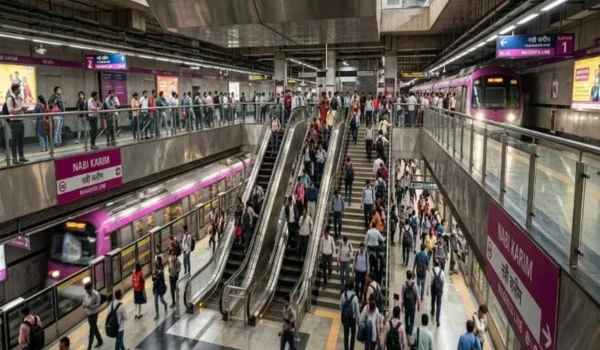
A Metro Interchange Station is a metro station where two or more metro lines meet, allowing passengers to transfer between different routes without exiting the paid area of the metro system.
Instead of leaving one station and purchasing another ticket, passengers can simply follow the interchange signs to reach another platform serving a different metro line.
Interchange stations improve connectivity and make metro travel more efficient across large cities.
Why Are Interchange Stations Important?
Interchange stations help passengers:
- Change between different metro lines
- Reduce travel time
- Reach more destinations
- Avoid multiple ticket purchases (where applicable)
- Improve daily commuting
- Access business districts, railway stations, airports, and bus terminals more easily
They are a key part of every modern metro network.
Major Metro Interchange Stations in India
The following table lists some of the well-known interchange stations across India’s metro systems.
| Metro City | Major Interchange Stations |
| Delhi NCR | Rajiv Chowk, Kashmere Gate, Hauz Khas, Mandi House, Central Secretariat, Azadpur, Botanical Garden, Janakpuri West |
| Bengaluru | Majestic (Nadaprabhu Kempegowda Station), KR Puram (expanding), Jayadeva Hospital (future expansion) |
| Mumbai | Andheri, Dahisar East, Ghatkopar, DN Nagar (network expanding) |
| Chennai | Chennai Central, Alandur, Vadapalani (network expanding) |
| Hyderabad | Ameerpet, MG Bus Station, Parade Ground |
| Kolkata | Esplanade, Sealdah, Central, Belgachia (network expansion) |
| Kochi | SN Junction (future), Tripunithura Terminal (network expansion) |
| Ahmedabad | Old High Court, Gujarat University (depending on operational corridors) |
| Pune | Civil Court Station |
| Nagpur | Sitabuldi Interchange |
Note: New interchange stations are added as metro networks expand. Always refer to the latest metro route maps for current operational details.
Features of an Interchange Station
Most interchange stations provide:
- Multiple metro platforms
- Clearly marked interchange pathways
- Escalators and elevators
- Passenger information displays
- Directional signage
- Security screening
- CCTV surveillance
- Smart card and ticket facilities
- Accessibility features
Large interchange stations may also include shops, food kiosks, ATMs, and parking facilities.
How to Change Metro Lines
Changing lines at an interchange station is usually simple:
- Exit your arriving train.
- Follow the Interchange signs.
- Walk to the designated platform.
- Wait for the next train on your required line.
- Continue your journey.
In most systems, you do not need to exit the paid area while changing lines.
Benefits of Metro Interchange Stations
Interchange stations offer several advantages:
- Better city-wide connectivity
- Shorter travel times
- More route options
- Reduced dependence on road transport
- Easier airport and railway station access
- Efficient travel between business and residential areas
Common Facilities
| Facility | Available at Many Interchange Stations |
| Ticket Counter | Yes |
| Smart Card Recharge | Yes |
| QR Ticket Support | Yes |
| Escalators | Yes |
| Elevators | Yes |
| Drinking Water | Available at Many Stations |
| Washrooms | Available at Many Stations |
| CCTV Surveillance | Yes |
| Security Screening | Yes |
| Passenger Information Displays | Yes |
| Accessibility Features | Yes |
| Parking | Selected Stations |
Safety Tips While Changing Lines
To make your interchange smooth and safe:
- Follow directional signs carefully.
- Keep your ticket or smart card until the journey ends.
- Stay behind the platform safety line.
- Allow passengers to exit before boarding.
- Use lifts or escalators responsibly.
- Keep your belongings secure.
- Listen to public announcements.
Frequently Asked Questions
What is a metro interchange station?
A metro interchange station is a station where two or more metro lines connect, allowing passengers to transfer between different routes without leaving the metro system.
Do I need to buy another ticket while changing metro lines?
In most metro systems, passengers can change lines within the paid area using the same valid ticket or smart card for their journey, subject to the operator’s fare rules.
Which is the busiest interchange station in India?
Rajiv Chowk Metro Station in Delhi is widely regarded as one of the busiest metro interchange stations in India.
Are interchange stations available in every metro city?
Most metro networks with multiple operational lines include one or more interchange stations. The number of interchange stations depends on the size and design of the network.
Are interchange stations wheelchair accessible?
Most modern interchange stations provide lifts, ramps, tactile pathways, and other accessibility features for passengers with disabilities.
Conclusion
Metro interchange stations are the backbone of India’s growing metro networks, enabling passengers to travel seamlessly across multiple lines and reach destinations more efficiently. By reducing travel time and improving connectivity, these stations make urban commuting simpler and more convenient.
Whether you’re a daily commuter or an occasional traveler, understanding how interchange stations work and knowing the major interchange hubs in your city can help you plan faster, smoother, and more comfortable metro journeys.
You may also like
Leave a Reply