How to Build an Emergency Fund Without Disrupting Your Budget
Unexpected expenses are a normal part of life. A medical bill, urgent home repair, job transition, vehicle problem, or unplanned family expense can quickly put pressure on a household budget. Without savings set aside for these situations, people may have to rely on credit cards, personal loans, or other forms of borrowing.
For readers looking to improve their overall financial planning and make better decisions about savings, budgeting, insurance, and borrowing, www.TheCorporateStreets.com provides a useful perspective on broader financial and business topics. One of the most important principles across personal finance is preparing for unexpected expenses before they occur.
Building an emergency fund does not necessarily require making major changes to your lifestyle. With a structured approach, even someone with a limited income can gradually build a financial cushion without disrupting essential spending.
Start With a Realistic Savings Target
The first step is determining how much you actually need.
A common approach is to work toward having several months of essential living expenses available. However, the right amount depends on factors such as income stability, employment situation, household size, existing debt, and regular financial obligations.
Someone with a stable income and low fixed expenses may need a different emergency reserve than someone whose income varies significantly each month.
Instead of focusing immediately on a large final target, divide it into smaller milestones. For example, reaching the first savings milestone can provide motivation to continue building the fund.
Review Your Current Budget
Before increasing savings, take a close look at your existing spending.
Separate expenses into three broad categories:
- Essential expenses
- Flexible expenses
- Non-essential expenses
Essential expenses may include housing, groceries, utilities, transportation, insurance, and minimum debt payments. Flexible expenses could include dining out, entertainment, shopping, and subscriptions.
This exercise helps identify areas where small adjustments can create additional savings without significantly affecting your daily life.
Set a Small Initial Goal
One of the biggest mistakes people make is believing that an emergency fund must be built quickly.
A large target can feel overwhelming and may discourage people from starting at all.
Instead, establish an initial goal that feels achievable. Once that amount is reached, create a second milestone and continue gradually.
For example, someone could begin by targeting a small cash reserve and then work toward covering one month of essential expenses before eventually increasing the fund further.
The amount matters, but developing the habit of saving is equally important.
Automate Your Contributions
Automation can make emergency savings easier.
Set up an automatic transfer from your primary bank account to a separate savings account shortly after receiving your income. This approach reduces the likelihood of spending the money before it is saved.
The contribution does not have to be large. A consistent amount transferred every month can gradually create a meaningful reserve.
As income increases, the automatic contribution can also be adjusted.
Use a Separate Savings Account
Keeping emergency savings separate from everyday spending money can make the fund easier to protect.
A dedicated savings account provides a clear distinction between money intended for regular expenses and money reserved for unexpected situations.
The account should generally remain accessible enough to handle genuine emergencies while being separate enough to discourage unnecessary withdrawals.
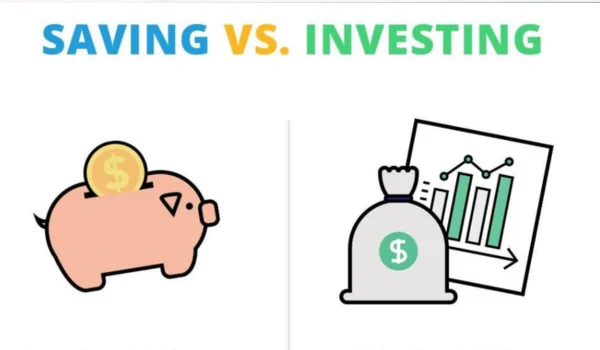
The priority is safety and accessibility rather than pursuing aggressive investment returns with emergency money.
Find Savings Without Cutting Essentials
Building an emergency fund does not mean eliminating everything enjoyable from your budget.
Instead, look for expenses that provide limited value relative to their cost.
Potential opportunities may include:
- Unused subscriptions
- Frequent food delivery
- Impulse purchases
- Unnecessary service upgrades
- Excessive entertainment spending
- Unused memberships
Even modest reductions can create additional savings.
For example, redirecting several small monthly expenses toward an emergency fund may have little impact on daily life while steadily increasing financial security.
Save Unexpected Income
Occasional financial windfalls can accelerate emergency savings.
These might include bonuses, tax refunds, cash gifts, freelance income, or proceeds from selling unused items.
Rather than treating every unexpected amount as available spending money, consider directing a portion toward the emergency fund.
There is no requirement to save all of it. Splitting unexpected income between current enjoyment and future security can provide a practical balance.
Increase Savings When Your Income Rises
Salary increases and job changes can create an opportunity to strengthen financial reserves.
One useful strategy is to increase savings gradually whenever income increases instead of immediately increasing lifestyle expenses by the same amount.
For example, part of a salary increase could go toward emergency savings while the remainder is available for other priorities.
This approach allows financial security to improve without requiring a significant reduction in the existing standard of living.
Avoid Using the Fund for Non-Emergencies
An emergency fund works best when it is reserved for genuine financial emergencies.
A sale, vacation, new gadget, or routine shopping expense generally should not require accessing emergency savings.
Before withdrawing money, ask whether the expense is:
- Unexpected,
- Necessary, and
- Difficult to cover through normal monthly income.
If the answer to all three is yes, using the emergency fund may be appropriate.
Clear rules can help prevent the account from becoming another source of discretionary spending.
Rebuild the Fund After Using It
Using emergency savings is not a financial failure.
The purpose of the fund is to provide support when an unexpected expense occurs.
However, once money has been withdrawn, rebuilding the reserve should become a financial priority again.
Temporarily increasing monthly contributions, reducing discretionary spending, or directing additional income toward savings can help restore the balance.
The goal is to return to the desired emergency-fund level rather than abandoning the savings plan after one unexpected expense.
Consider Your Debt Alongside Emergency Savings
Emergency savings and debt repayment often need to be considered together.
High-interest debt can become expensive over time, while having no emergency savings can force someone to borrow even more when an unexpected expense appears.
A balanced approach may involve creating a basic emergency cushion while simultaneously making required debt payments. Once a reasonable initial reserve is established, additional savings can be allocated according to the individual’s financial priorities.
The right balance depends on interest rates, income stability, debt levels, and personal circumstances.
Keep Emergency Savings Accessible
Emergency money should generally be stored somewhere that allows relatively quick access when needed.
The primary objective is financial protection, not maximizing investment returns.
Because emergency expenses can occur unexpectedly, funds intended for this purpose should not normally be placed in assets that could experience significant short-term fluctuations or become difficult to access when cash is needed.
Review Your Emergency Fund Periodically
An emergency fund should change as your financial situation changes.
If your rent increases, you take on a new loan, your household grows, or your income changes, your required emergency reserve may also need to be adjusted.
Reviewing the fund every few months can help ensure that it remains appropriate.
It is also useful to check whether your savings account, automatic contribution, and monthly budget still match your current circumstances.
Make Emergency Savings Part of Your Financial System
The most effective emergency fund is one that becomes part of your regular financial routine.
Instead of treating emergency savings as a temporary project, include it alongside other financial priorities such as retirement contributions, debt payments, insurance, and long-term investments.
Even when the monthly contribution is small, consistency can gradually transform a limited reserve into a meaningful financial safety net.
Conclusion
Building an emergency fund does not require completely changing your lifestyle or sacrificing every discretionary expense. The process can begin with a realistic target, a review of current spending, and a small automatic monthly contribution.
Over time, savings from reduced expenses, increased income, and occasional windfalls can help strengthen the fund.
The most important step is simply to start. A gradually built emergency reserve can provide greater financial flexibility, reduce dependence on expensive borrowing, and make unexpected expenses easier to manage without disrupting the rest of your budget.
You may also like

Leave a Reply